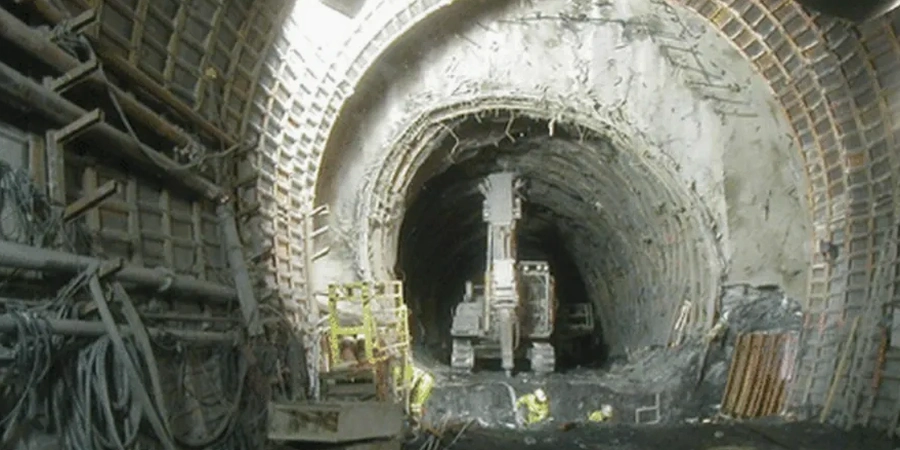
Concord grew fast after the 1940s, spreading across what was once walnut orchards and alluvial lowlands north of Mount Diablo. That flat, farmable ground turned out to be some of the most challenging soft soil in Contra Costa County, especially where the city pushes infrastructure below the surface. In our experience, anyone planning a tunnel alignment through the clay and sand layers here needs more than a standard bore log. We combine deep knowledge of the Ygnacio Valley aquifer behavior with precise CPT testing to map transitions between stiff overconsolidated lenses and the saturated loose zones that cause over-excavation and blowouts. The difference between a tunnel drive that stays on schedule and one that stalls for months often starts with how well the geotechnical baseline report captures the layered stratigraphy beneath Concord.
In Concord's alluvial basin, the difference between a predictable tunnel drive and a delayed one sits in the pore pressure data and the thin sand seams the borehole log missed.